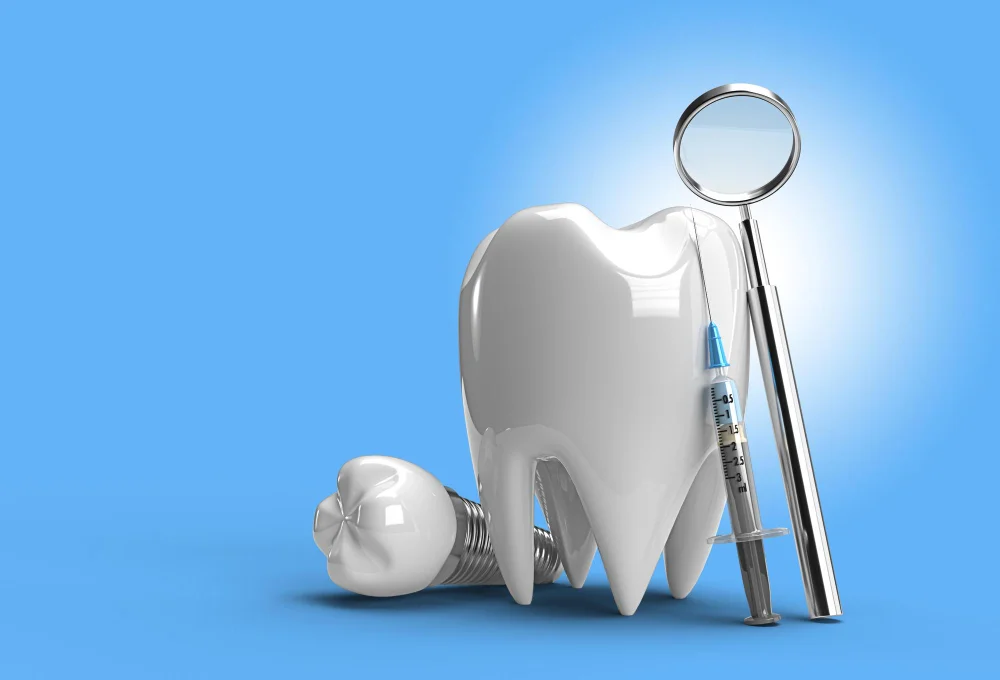
Severe tooth pain can make eating, sleeping, and normal daily tasks very hard. A broken tooth, deep decay, infection, or painful wisdom tooth may need urgent dental care. If the tooth cannot be saved, an Emergency Tooth Extraction Scarborough appointment may be the right treatment.
Markham Gateway Dentistry provides emergency dental care for patients with severe tooth pain, infected teeth, broken teeth, and wisdom tooth problems. Same-day appointments may be available, depending on the dental emergency and appointment schedule. A dentist first checks the tooth and decides whether extraction is needed or if another treatment can save it.
For anyone searching for a Dentist in Scarborough, fast assessment matters when pain or swelling starts. Canadian Dental Association guidance also recommends contacting a dentist for dental emergencies and getting urgent problems assessed rather than waiting for them to worsen.
When Is Emergency Tooth Extraction Scarborough Needed?
Emergency tooth extraction may be needed when a tooth has severe damage, infection, or trauma and cannot be treated safely with a filling, crown, or root canal.
What symptoms may mean that a tooth needs urgent removal?
Severe pain, swelling, infection, a badly broken tooth, or a painful wisdom tooth can all require urgent dental assessment. However, extraction is not automatic. A dentist needs to examine the tooth and may use dental X-rays before deciding on treatment.
Common reasons for an urgent extraction include:
- Severe tooth pain that does not settle
- A badly infected tooth
- A dental abscess with swelling
- A tooth broken below the gum line
- Deep tooth decay
- A damaged tooth with an exposed nerve
- A wisdom tooth causing infection or severe pain
- Dental trauma after a fall, accident, or sports injury
- A tooth that cannot be repaired with another treatment
The Canadian Dental Association notes that urgent dental problems can include severe dental pain, third-molar or wisdom tooth pain, localized infection, abscesses, and tooth fractures that cause pain or expose the pulp.
An infection can start inside a tooth when bacteria reach the dental pulp. Deep decay, cracks, or other damage can allow this to happen. The Canadian Dental Association explains that an infected or abscessed tooth may cause pain and swelling, and treatment can include root canal therapy or extraction when the tooth cannot be retained.
A Dentist in Scarborough can check whether extraction is actually needed. In some cases, root canal treatment can save the tooth. In other cases, removing the tooth is the safer choice.
This is why severe pain should not be treated only with pain medicine at home. Pain medicine may reduce discomfort for a short time, but it does not fix a damaged tooth.
Can a Dentist in Scarborough tell if extraction is necessary?
Yes. A dental examination, symptoms, clinical testing, and dental X-rays can help determine whether a tooth can be saved or should be removed.
A dental visit normally starts with questions about the pain and your health history. The dentist then checks the tooth, nearby gums, and surrounding area. X-rays may be used to check the roots, bone, decay, infection, or position of a wisdom tooth.
The goal is to treat the actual cause of the problem. Canadian Dental Association guidance states that dental pain should be assessed by a dentist because the cause can vary from tooth decay and pulp inflammation to infection or trauma.
If a tooth can be saved, treatment may include a filling, crown, or root canal. If the tooth is too damaged to restore, extraction may be recommended.
What Happens During Emergency Tooth Extraction in Scarborough?
Emergency extraction usually starts with an examination and X-ray, followed by local freezing and removal of the affected tooth.
How does an Emergency Tooth Extraction Scarborough appointment work?
The first step is a dental examination. The dentist checks the painful tooth and looks for swelling, infection, cracks, decay, or other problems.
Dental X-rays may then be taken. They help the dentist see the roots and the bone around the tooth. This is especially useful when a tooth is badly broken or when a wisdom tooth is involved.
Before the procedure starts, the dentist explains the planned treatment. Local anaesthetic is used to numb the area. With proper freezing, you should not feel sharp pain during the extraction, although pressure or movement can still be felt.
A simple extraction is usually used when the tooth can be reached easily. The dentist loosens the tooth and removes it carefully.
A surgical extraction may be needed when the tooth is broken, impacted, or difficult to reach. Wisdom teeth are a common example. The dental clinic states that simple extractions may take around 15–20 minutes, while surgical cases can take longer depending on the tooth.
After the tooth is removed, gauze is normally placed over the area. The dentist provides instructions for controlling bleeding and caring for the extraction site.
Does emergency tooth extraction hurt?
The area is numbed before extraction, so sharp pain should not be felt during the procedure. Some pressure is normal.
After the freezing wears off, soreness is common. The Canadian Dental Association notes that pain may be strongest during the first 24–48 hours after oral surgery, while some discomfort can last several days.
Pain after extraction does not automatically mean something went wrong. However, pain that becomes worse rather than better should be reported to the dental office.
A Dentist in Scarborough can also explain pain-control options based on the patient's medical history and current medicines. Patients should follow the dentist's and pharmacist's instructions rather than taking more medicine than recommended.
For a patient with severe dental anxiety, the dental team can also discuss available comfort or sedation options when appropriate.
The key point is simple: emergency extraction is planned around the condition of the tooth, the patient's health, and the safest way to remove the source of pain.
How Should You Recover After an Emergency Tooth Extraction?
Recovery after an extraction is usually managed with rest, proper wound care, suitable food, and careful monitoring for warning signs.
What should you do during the first 24 hours?
The first day is mainly about protecting the blood clot that forms at the extraction site. This clot helps the area heal.
Keep the gauze in place as instructed by the dental team. Avoid repeatedly touching the area with your tongue or fingers. Also, avoid vigorous rinsing during the first 24 hours unless your dentist gives different instructions.
Choose soft foods that do not require heavy chewing. Foods such as eggs, pasta, yogurt, and other soft meals can be easier to manage.
Rest is also helpful. Avoid heavy exercise or strenuous activity during the early recovery period.
The Canadian Dental Association advises patients after minor oral surgery to avoid vigorous activity, follow medication instructions, and avoid alcohol and tobacco because these can interfere with healing.
Swelling can occur after oral surgery. A cold compress may help during the first day. The Canadian Dental Association recommends using a cold compress in short intervals during the first 24 hours.
Do not smoke after an extraction. Smoking can make healing harder and may increase the chance of problems at the extraction site.
When should you contact a Dentist in Scarborough after extraction?
Contact your dentist if you have heavy bleeding that does not settle, pain that keeps getting worse, fever, increasing swelling, or other symptoms that concern you.
Some bleeding or mild oozing is normal after an extraction. However, the Canadian Dental Association advises contacting a dentist or oral surgeon if heavy bleeding cannot be controlled or if pain and swelling continue to worsen.
Severe swelling can require urgent attention, especially when it affects breathing or swallowing. These symptoms should not be ignored.
If you develop serious breathing difficulty, difficulty swallowing, or rapidly increasing facial or neck swelling, seek emergency medical care immediately.
An Emergency Tooth Extraction Scarborough visit should not end when the tooth is removed. Good aftercare helps the extraction site heal and gives the dental team a chance to identify problems early.
Can Emergency Tooth Extraction Prevent Further Dental Problems?
Removing a badly damaged tooth can remove the immediate source of pain or infection, but ongoing dental care is still needed after extraction.
What happens after the tooth is removed?
Once the tooth has been extracted, the dentist checks the area and provides recovery instructions. The next step depends on which tooth was removed and the patient's oral health.
Some missing teeth may need replacement. Options can include dental implants, bridges, or partial dentures. The best option depends on the location of the missing tooth, the condition of the surrounding teeth and gums, bone health, and the patient's treatment needs.
A Dentist in Scarborough can discuss replacement options after the extraction site has had time to heal.
However, not every extraction means that replacement must happen immediately. The first step is to deal with the urgent dental problem and allow the area to recover.
Preventive care also matters. The Canadian Dental Association recommends regular dental examinations and daily oral care to find problems before they become more serious.
Helpful habits include:
- Brush twice each day with fluoride toothpaste.
- Clean between your teeth every day.
- Attend regular dental examinations.
- Do not ignore ongoing tooth sensitivity or pain.
- Wear a mouthguard during sports.
- Avoid chewing very hard objects.
- Do not use your teeth to open packages.
- Seek care early when a tooth becomes cracked or painful.
These simple steps can lower the chance of future dental emergencies.
Why choose Markham Gateway Dentistry for emergency extraction?
Markham Gateway Dentistry provides emergency dental appointments for patients dealing with severe pain, infection, swelling, damaged teeth, and wisdom tooth problems. The clinic is located at 2855 Markham Road, Unit 108, Scarborough, Ontario, M1X 0C3.
The clinic states that same-day appointments may be available and that it serves Scarborough and nearby communities, including Agincourt, Malvern, Morningside, Highland Creek, Woburn, Guildwood, West Hill, Scarborough Village, Birch Cliff, and Cliffside.
For someone searching for a Dentist in Scarborough, access to urgent dental assessment can be useful when a tooth suddenly becomes painful or damaged.
Markham Gateway Dentistry also lists digital X-rays, local anaesthesia, sedation options when needed, simple extractions, surgical extractions, and wisdom tooth extraction among its emergency care services.
The right treatment always depends on the dental examination. An extraction should only be performed when the dentist determines that removing the tooth is appropriate.
If severe pain, swelling, infection, or a broken tooth is causing trouble, an Emergency Tooth Extraction Scarborough appointment can provide a direct way to assess the problem and discuss treatment options.
Frequently Asked Questions About Emergency Tooth Extraction Scarborough
How do I know if I need emergency tooth extraction?
Severe tooth pain, major swelling, an infected tooth, a badly broken tooth, or a painful wisdom tooth can require urgent dental care. However, these symptoms do not always mean that extraction is needed. A dentist must examine the tooth and may take an X-ray to find the cause. If the tooth can be saved, root canal treatment or another repair may be considered. If the tooth cannot be restored, extraction may be recommended. Canadian Dental Association guidance supports prompt dental assessment for urgent pain, infection, trauma, and other serious dental problems.
Can I get same-day emergency tooth extraction in Scarborough?
Same-day emergency appointments may be available at Markham Gateway Dentistry, depending on the day's schedule and the condition of the tooth. The clinic states that it provides same-day emergency dental appointments for problems such as severe pain, infection, broken teeth, and wisdom tooth emergencies. A dental examination comes first because the dentist needs to confirm the cause of the pain and decide whether extraction is suitable. Calling the clinic before visiting is the best way to check current appointment availability.
Is emergency tooth extraction painful?
The extraction area is normally numbed with local anaesthetic before the procedure. You may feel pressure, movement, or pushing, but sharp pain should not occur while the tooth is being removed. Afterward, some soreness is normal as the freezing wears off. The Canadian Dental Association states that pain can be most noticeable during the first 24–48 hours after oral surgery. Your dentist can provide instructions for pain control based on your health history and medicines.
What should I eat after a tooth extraction?
Soft foods are usually easier to eat during the first part of recovery. Eggs, pasta, yogurt, soft vegetables, and other foods that require little chewing can be suitable choices. Avoid very hot foods and drinks immediately after surgery, and follow the instructions given by the dental team. The Canadian Dental Association recommends avoiding hot liquids after oral surgery because they may increase blood flow and cause bleeding to restart. As the area heals, more foods can gradually be added based on comfort.
Can antibiotics cure an infected tooth without extraction?
Antibiotics alone do not fix every infected tooth. The source of the dental problem usually needs direct treatment. Depending on the tooth, that may mean drainage, root canal treatment, or extraction. The Canadian Dental Association states that antibiotics are not useful for most toothaches caused by pulp inflammation and that localized dental infections require treatment of the source. Antibiotics may be prescribed when an infection has spread or when certain medical factors are present. Never take leftover antibiotics without professional advice.
How long does emergency tooth extraction take?
The time depends on the type of extraction and the condition of the tooth. A simple extraction can be relatively quick when the tooth is easy to reach. A surgical extraction may take longer when the tooth is broken, impacted, or difficult to access. Markham Gateway Dentistry states that simple extractions may take around 15–20 minutes, while surgical extraction can take around 30–45 minutes in some cases. The full appointment may also include examination, X-rays, discussion of treatment, anaesthesia, and aftercare instructions.
When should I call a Dentist in Scarborough for tooth pain?
Call a Dentist in Scarborough when tooth pain is severe, continues, or comes with swelling, fever, infection, a broken tooth, or difficulty eating or sleeping. Do not wait for the pain to become unbearable. The Canadian Dental Association advises people with dental emergencies to contact their dentist immediately. If swelling affects breathing or swallowing, seek emergency medical care immediately. A dental examination can identify the cause and determine whether you need extraction, root canal treatment, drainage, repair, or another form of care.
What should I do if my wisdom tooth suddenly hurts?
A painful wisdom tooth should be checked by a dentist, especially when swelling, infection, bad taste, limited mouth opening, or fever is present. Wisdom teeth can cause problems when they are impacted or when the surrounding gum becomes inflamed. Treatment depends on the position of the tooth and the condition of the surrounding tissues. Some cases may need cleaning or other treatment, while others may require wisdom tooth extraction. An Emergency Tooth Extraction Scarborough appointment can help assess sudden wisdom tooth pain and determine the appropriate next step.
How can I avoid another dental emergency?
Regular dental care can help identify cavities, cracks, gum problems, and other issues before they become urgent. Brush twice a day with fluoride toothpaste and clean between your teeth every day. Wear a mouthguard during sports and avoid chewing hard objects that can crack teeth. The Canadian Dental Association also recommends regular dental examinations based on individual oral health needs. If a tooth starts hurting, becomes sensitive, or breaks, arrange a dental assessment rather than waiting for the problem to worsen.
Contact Markham Gateway Dentistry
- Address2855 Markham Road, Unit 108, Scarborough, ON M1X 0C3, Canada
- Phone+1 416-321-0005
- HoursMonday - Sunday: 24 Hours Phone Lines